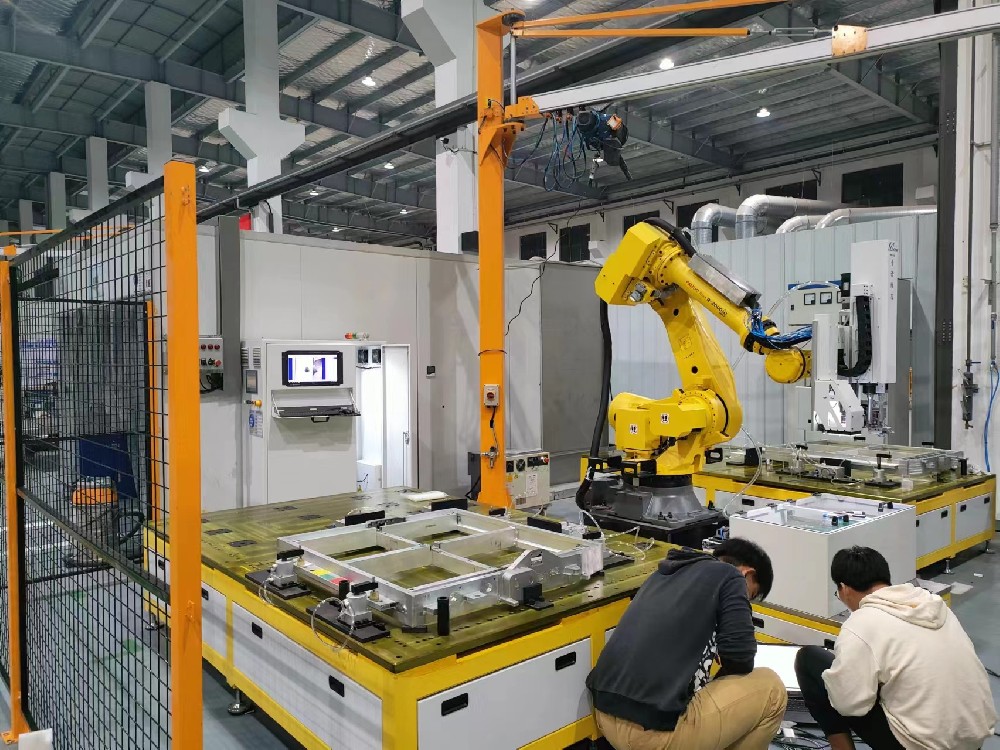
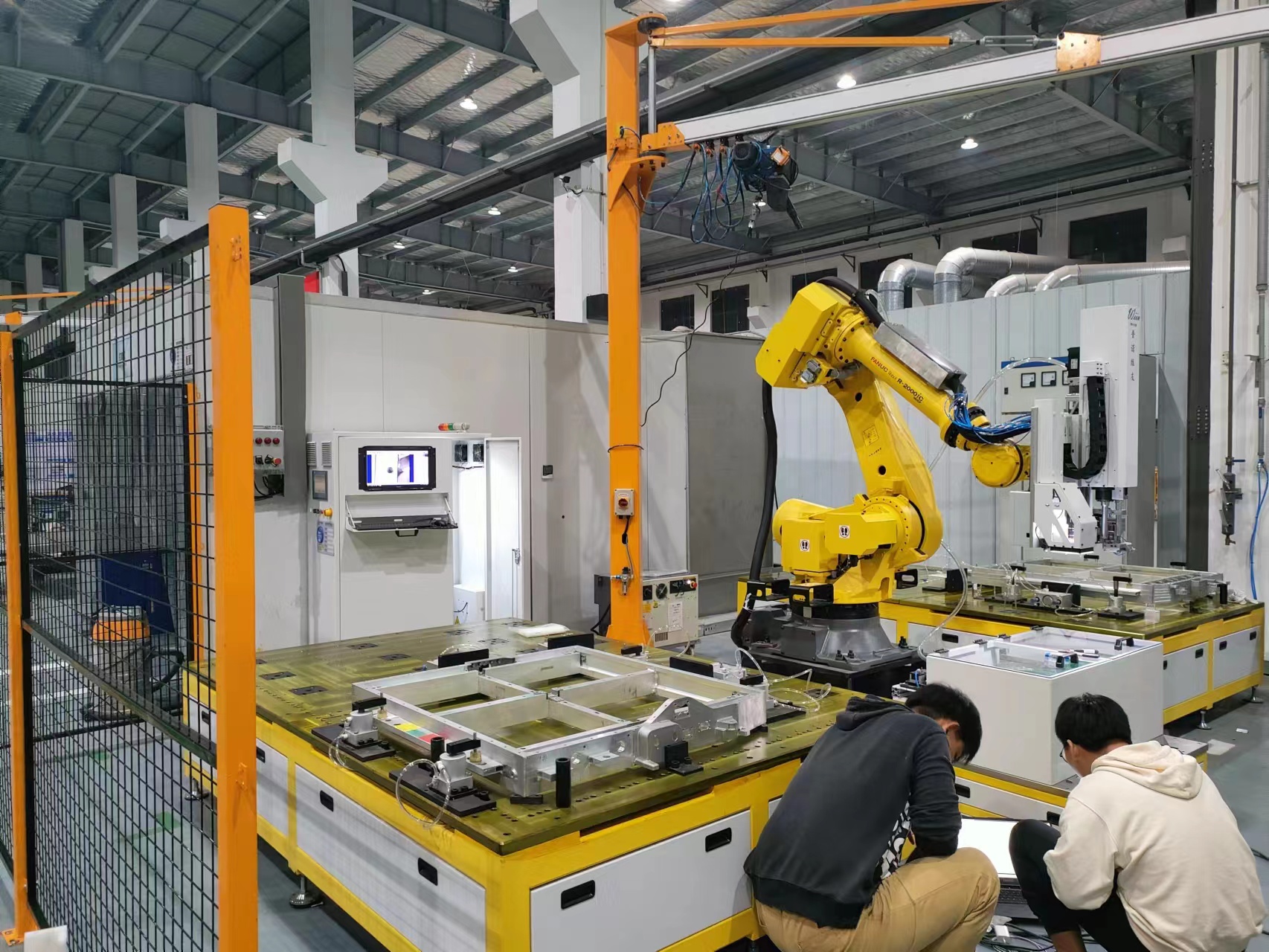
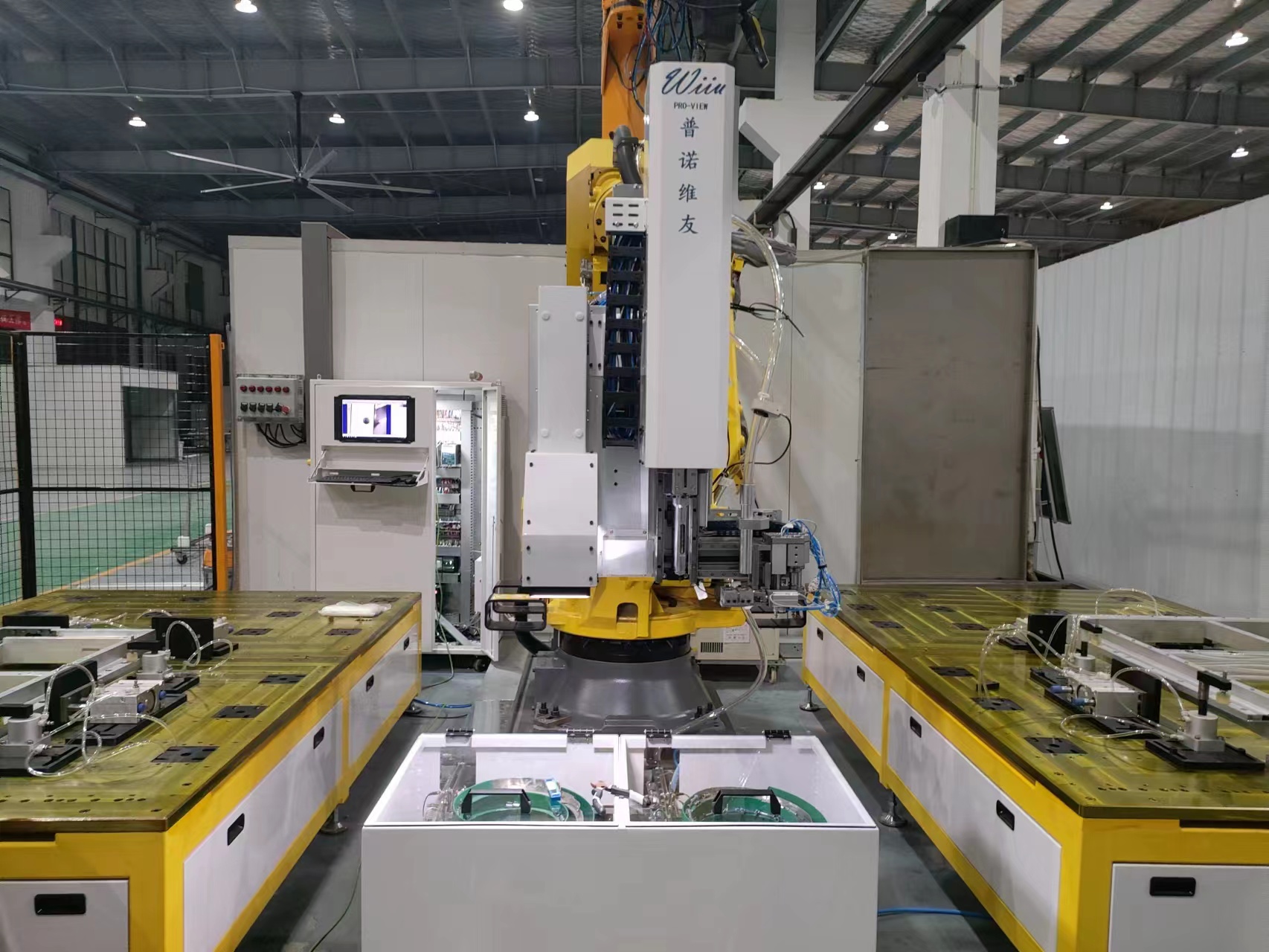
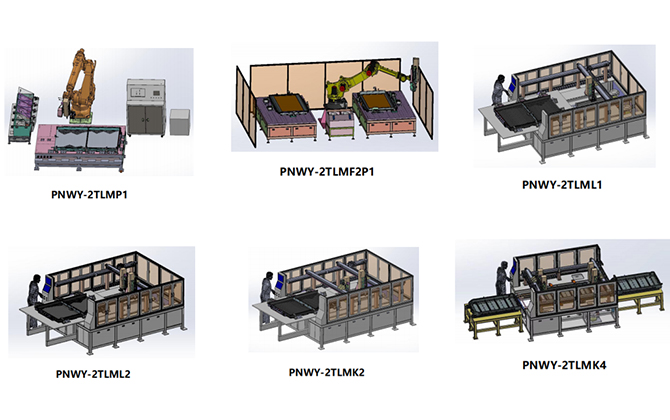
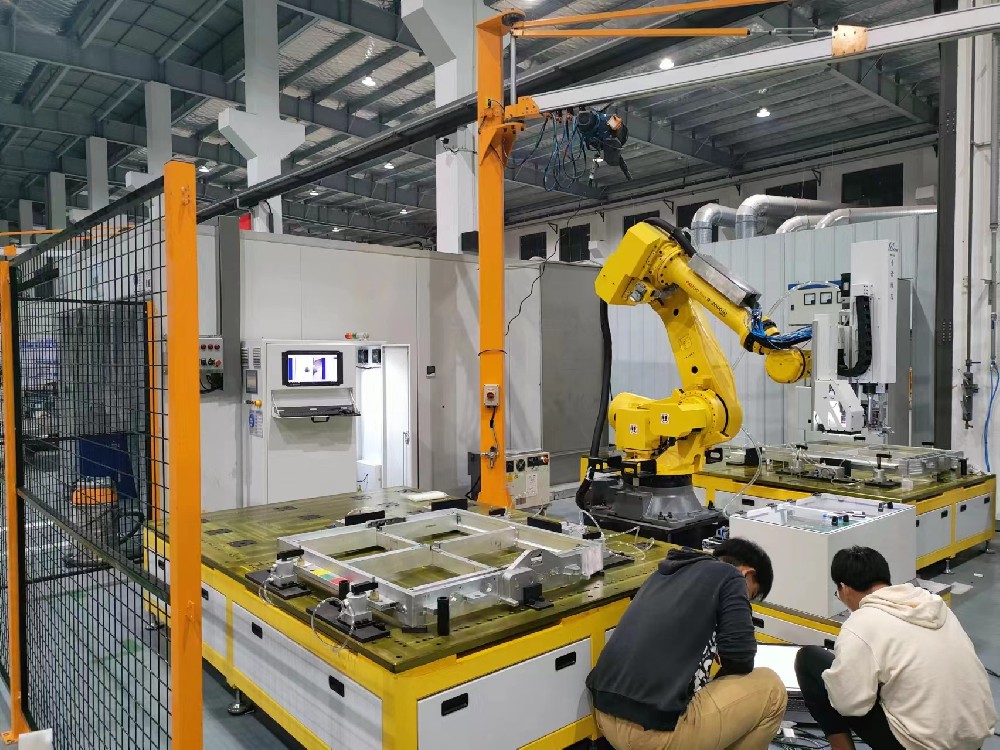
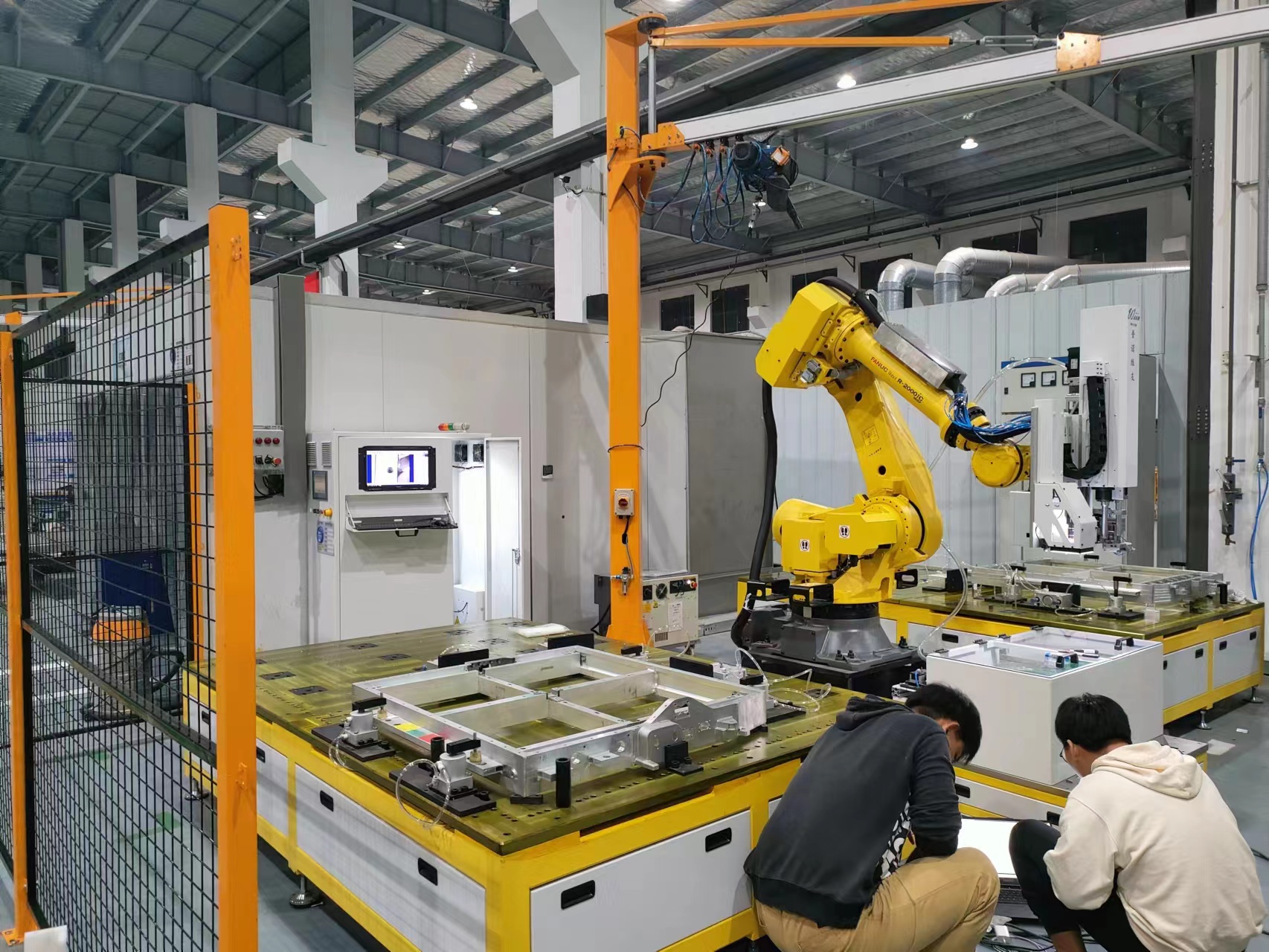
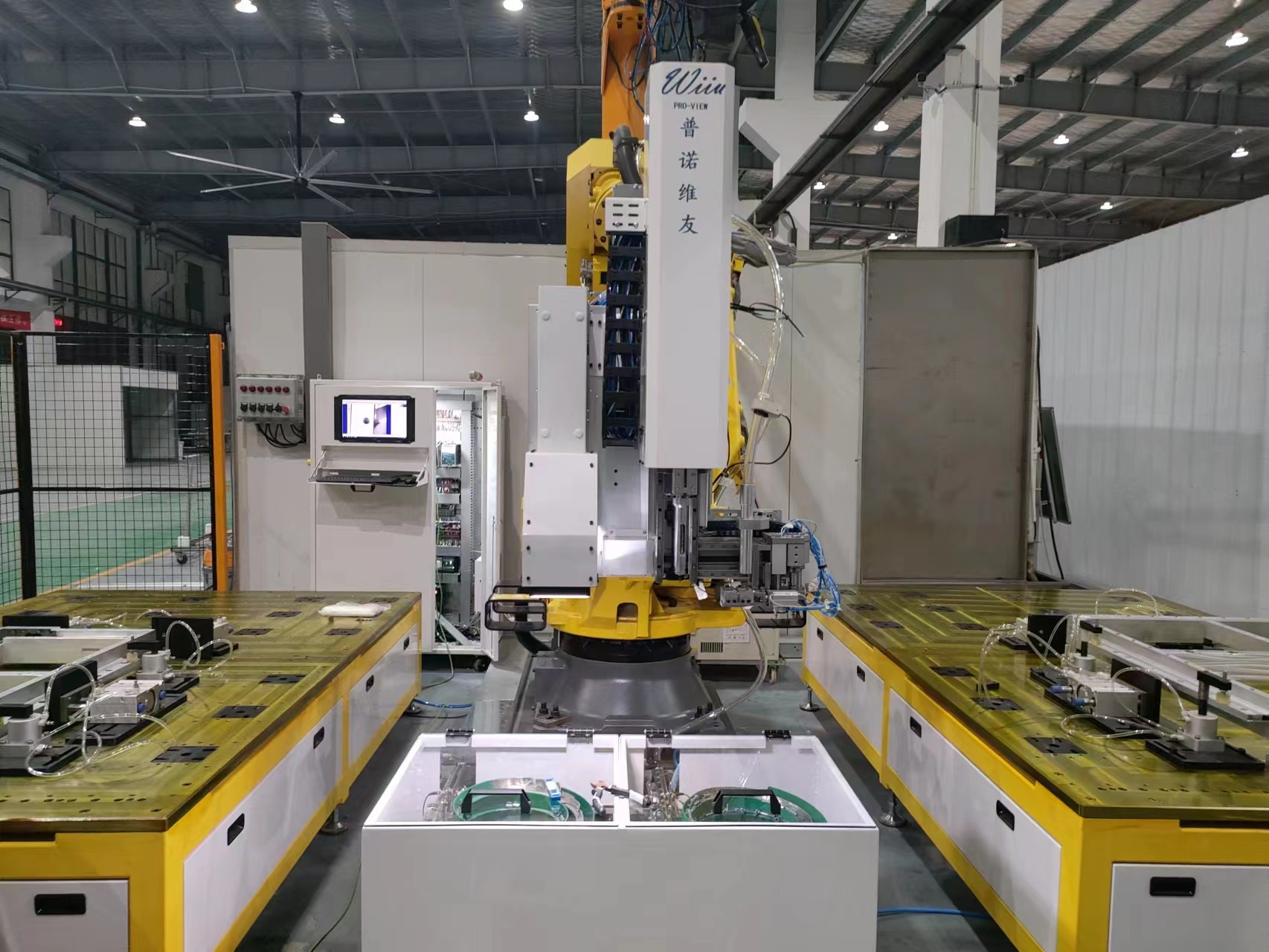
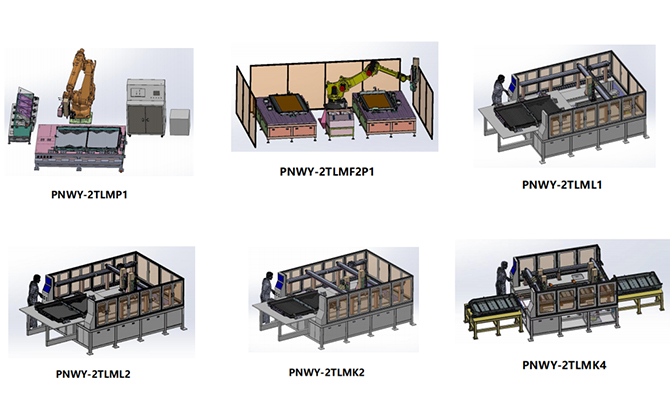
Going beyond the automatic rivet-nut installation equipment currently available on the market, our company always prioritizes resolving our customers' pain points and technical difficulties in equipment R&D. Solutions include automatic feeding, blow feeding, multi-specification automatic switching, vision positioning, hex-hole angle recognition, floating installation, pull-force setting and monitoring, riveting-stroke setting and monitoring, torque setting and monitoring, automatic NG marking, and report export.
Going beyond the automatic rivet-nut installation equipment currently available on the market, our company always prioritizes resolving our customers' pain points and technical difficulties in equipment R&D. Solutions include automatic feeding, blow feeding, multi-specification automatic switching, vision positioning, hex-hole angle recognition, floating installation, pull-force setting and monitoring, riveting-stroke setting and monitoring, torque setting and monitoring, automatic NG marking, and report export.
Self-developed blow-feed tube: threaded inserts and rivet nuts can be automatically blown to remote positions and self-aligned, resolving the low installation efficiency of large products.
The thread-insert installation depth is automatically controlled with automatic switching between 1D and 5D, together with installation torque monitoring.
The installation head detects contact with the workpiece and automatically compensates for workpiece deformation.
Fully automated threaded-insert process: 1. automatic picking; 2. automatic installation; 3. automatic tail breaking; 4. automatic removal of the broken tail with verification that it has been removed; 5. automatic NG if it has not been removed.
Suitable for wire thread inserts, self-tapping inserts, clearance inserts, and military-standard and non-standard inserts.
To handle different rivet-nut specifications, only the installation head and feeding mechanism need to be changed (two built-in auto-switch versions are included).
The riveting stroke can be freely adjusted according to the yield strength of the rivet nut, automatically adjusting the post-riveting height.
Pull-force and stroke monitoring: the program can set pull-force or stroke ranges or a master-slave relationship, with installation fault feedback and alarm logging.
The riveting head detects contact with the workpiece, automatically compensates for workpiece deformation, and verifies whether material picking has been completed.
Suitable for hex rivet nuts (with automatic angle recognition), cylindrical knurled nuts, through-hole nuts, blind-hole nuts, and more.
Equipped with a CCD vision system for precise product positioning; installation data can be stored on the MES system and is fully traceable.
Dispensing, oiling, go/no-go gauge inspection and other functions can be matched to different application scenarios, with systems customized to each customer's use case to further improve automation efficiency.
